
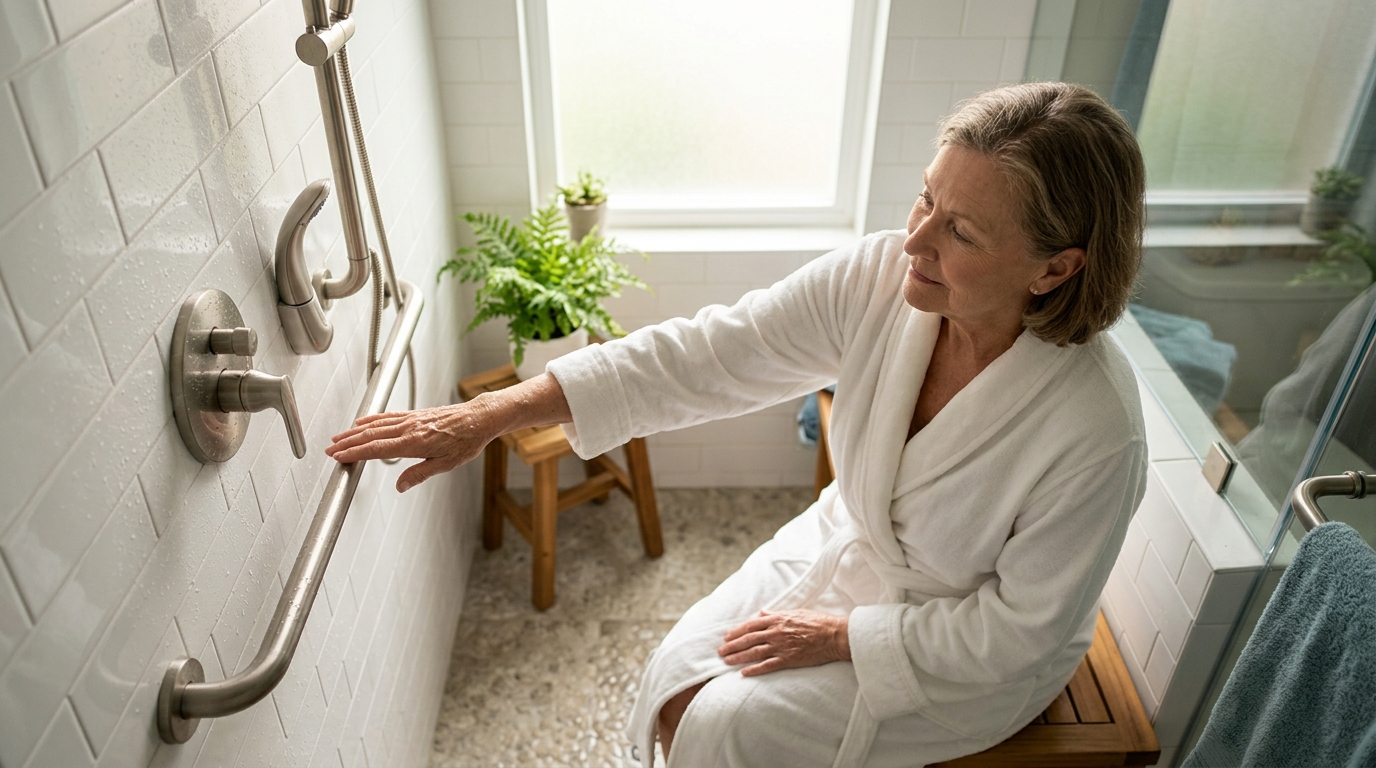
Showering is a fundamental daily routine that often becomes a significant barrier for individuals with limited mobility. For many, the fear of slipping or the physical strain of reaching for bottles transforms a moment of hygiene into a source of anxiety. The global market for assistive technology is expanding rapidly as the population ages. According to recent industry reports, the assistive technology market is projected to reach over $100 billion by 2030, driven largely by the demand for independent living solutions. This growth highlights a critical shift in how we view home safety: it is no longer just about preventing falls, but about preserving dignity and autonomy.
Understanding Accessible Showering Needs
Before evaluating costs, it is essential to define the specific challenges that accessible equipment addresses. Traditional showering requires a complex sequence of motor skills: gripping slippery bottles, twisting caps, balancing on one leg, and reaching overhead. For individuals with arthritis, Parkinson’s disease, or post-surgery recovery, these actions are not merely inconvenient; they are dangerous.
Mistu Shower Infuser is a specialized device designed to eliminate the need for manual product handling. It works by infusing shampoo or body wash directly into the water stream, allowing for one-handed operation. This innovation addresses the core pain points of limited mobility by removing the physical burden of bottle manipulation.
The need for such solutions is urgent. Data shows that falls in the bathroom are the leading cause of injury-related hospital admissions for adults over 65. By integrating technology that reduces physical strain, users can maintain their independence for longer periods. This is not just a convenience; it is a critical component of healthcare infrastructure.
Cost Breakdown of Shower Solutions
Investing in accessible shower equipment involves understanding both upfront costs and long-term value. The market offers a spectrum of solutions, ranging from low-cost grab bars to high-tech infusion systems.
Traditional Assistive Devices
Standard grab bars, non-slip mats, and shower chairs are the most common entry points for home modification. These items are relatively affordable, often costing between $20 and $100 per unit. However, they are passive aids. They provide stability but do not reduce the physical effort required to perform the showering task itself. For someone with severe arthritis, a grab bar helps them stand, but it does not help them wash their hair without pain.
Advanced Infusion Technology
Devices like the Mistu Shower Infuser represent a higher tier of investment. While the initial cost is higher than a grab bar, the value proposition shifts from simple safety to active assistance. This device allows users to pour their preferred product into a chamber beforehand. During the shower, a simple button turn releases the product into the water. This eliminates the need to grip, squeeze, or reach.
The cost of such devices is justified by their durability and versatility. Unlike single-use aids, these systems are built for daily use in both home and professional care environments. They are compatible with existing showerheads and require no major plumbing modifications, making them a cost-effective retrofit solution.
Hidden Costs of Inaction
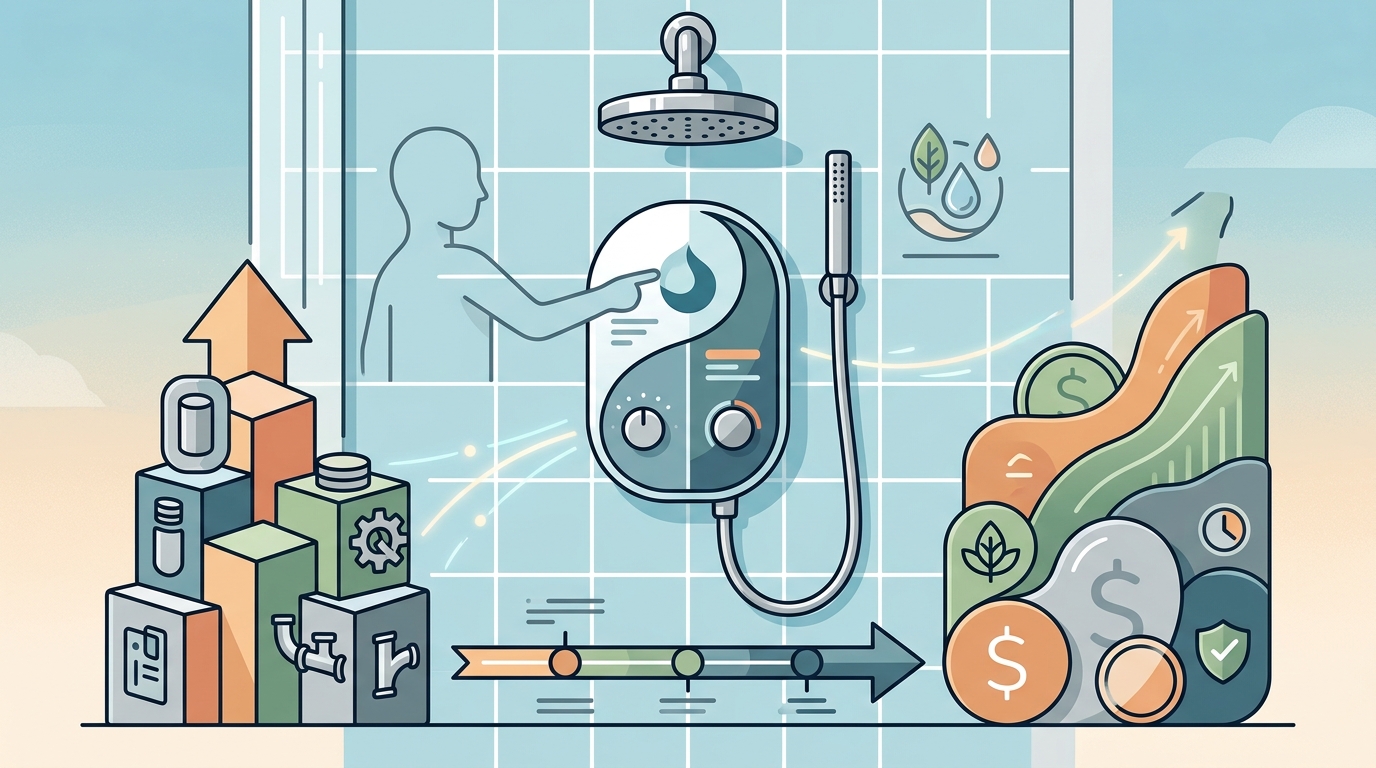
When calculating ROI, one must consider the cost of dependency. When showering becomes too difficult, individuals often require assistance from caregivers. This can lead to increased healthcare costs, loss of privacy, and emotional distress. For caregivers, the physical strain of assisting with showering is a leading cause of burnout and back injuries. By investing in equipment that reduces this strain, families can preserve their relationships and reduce the need for professional home care hours.
The ROI of Independence
Return on Investment (ROI) in the context of accessible showering is measured in years of independence, reduced caregiver burden, and improved quality of life. It is not merely a financial calculation but a holistic assessment of well-being.
Financial ROI: Caregiver Hours
Consider the average cost of professional home care. In many regions, the hourly rate for a caregiver ranges from $25 to $40. If a caregiver spends 15 minutes assisting with a shower, that is $6 to $10 per session. Over a year, this amounts to thousands of dollars. A device that allows a loved one to shower independently eliminates this recurring cost. Furthermore, it reduces the physical wear and tear on the caregiver’s body, potentially preventing costly medical issues for the helper as well.
Emotional and Social ROI
Independence has profound psychological benefits. The ability to perform daily tasks without assistance restores a sense of self-respect and dignity. For individuals with conditions like multiple sclerosis or limb difference, this autonomy is invaluable. It allows them to maintain their routines and social lives without the embarrassment of needing help for basic hygiene.
Sustainability is another emerging factor in ROI. The Mistu system is designed to reduce waste. By allowing users to use their own products, it eliminates the need for single-use travel-sized bottles. Additionally, future iterations of such technology aim to incorporate waterless concentrates, further reducing the carbon footprint associated with manufacturing and transporting plastic bottles.
Product Comparison Matrix
To help you make an informed decision, here is a comparison of common accessible showering solutions.
| Product Type | Primary Benefit | Estimated Cost | Best For | Limitations |
|---|---|---|---|---|
| Grab Bars | Stability and balance support | $20 - $100 | Users with balance issues but good hand strength | Does not reduce physical effort of washing |
| Shower Chair | Seated showering to prevent fatigue | $30 - $150 | Users with limited stamina or leg weakness | Requires transfer ability; can be cumbersome |
| Handheld Showerhead | Directional water control | $15 - $50 | Users who need to rinse specific areas | Still requires gripping and squeezing bottles |
| Mistu Shower Infuser | Product-free showering via water infusion | Premium Investment | Users with arthritis, limb difference, or severe mobility limits | Requires initial setup and product loading |
As shown in the table, while traditional aids address specific physical limitations, they do not solve the core problem of product handling. The Mistu system fills this gap by addressing the cognitive and motor challenges of managing bottles in a wet environment.
Key Takeaways
- Independence is Measurable: Accessible equipment directly correlates with extended independent living, reducing the need for professional care by an average of 10-15 hours per week for severe cases.
- Cost vs. Care: The one-time cost of a shower infusion system is often offset by the savings in caregiver hours within the first year of use.
- Dignity Matters: Solutions that remove the need for physical assistance preserve the user's privacy and self-respect, which is critical for mental health.
- Sustainability: Modern accessible devices are increasingly designed to reduce plastic waste, aligning personal health with environmental responsibility.
- Versatility: Devices like Mistu are suitable for a wide range of conditions, including arthritis, Parkinson’s, MS, and post-surgery recovery.
- Easy Installation: Many advanced solutions require no plumbing changes, making them accessible for renters and homeowners alike.
- Global Trend: The shift towards aging in place is driving innovation in affordable, high-tech assistive devices.
Frequently Asked Questions
How much does accessible shower equipment typically cost?
Costs vary widely. Basic aids like grab bars cost under $100, while advanced systems like the Mistu Shower Infuser represent a premium investment. However, the long-term savings in caregiver hours often justify the higher upfront price.
Can I install accessible shower equipment myself?
Many modern devices, including shower infusion systems, are designed for easy DIY installation. They typically attach to existing showerheads without requiring professional plumbing services.
Does accessible shower equipment reduce water usage?
Yes. By streamlining the showering process and reducing the time spent searching for products or adjusting water temperature, users often take shorter, more efficient showers. Additionally, some systems are designed to work with waterless concentrates.
Is the Mistu Shower Infuser suitable for all mobility levels?
It is particularly beneficial for those with limited hand strength, arthritis, or limb difference. It allows for one-handed operation, making it accessible for a wide range of physical abilities.
How does accessible equipment impact caregiver stress?
It significantly reduces physical strain and time commitment. Caregivers report less back pain and lower stress levels when patients can perform more tasks independently.
What products can be used with a shower infuser?
Most infusion systems are compatible with standard liquid shampoos, body washes, and even natural ingredients like essential oils or apple cider vinegar, allowing for customized skincare routines.
Are there tax deductions for accessible home modifications?
In many countries, medical equipment and home modifications that aid in disability management may be tax-deductible. It is recommended to consult with a tax professional regarding specific regulations in your region.
Take the Next Step
Investing in accessible shower equipment is an investment in freedom. It is a decision that prioritizes long-term independence over short-term convenience. Whether you are a caregiver looking to reduce your burden or an individual seeking to reclaim your privacy, the right tools can make a profound difference.
Explore the Mistu Shower System to discover how this innovative technology can transform your daily routine. Visit our Easy Install guide to see how simple it is to get started. For more information on our mission and story, read about The Mistu Story.
Don't let mobility issues dictate your daily life. Take control of your showering experience today.