
Why Touchless Soap Dispensers Are Gaining Traction in Accessible Bathrooms
Touchless soap dispensers are becoming popular in accessible bathrooms because they reduce the physical effort required for hygiene. By eliminating the need to grip, squeeze, or operate mechanical pumps, these devices support users with limited dexterity, mobility, or strength. This shift reflects a broader design philosophy that prioritizes independence and safety in daily routines.
The Physical Barriers of Traditional Dispensers
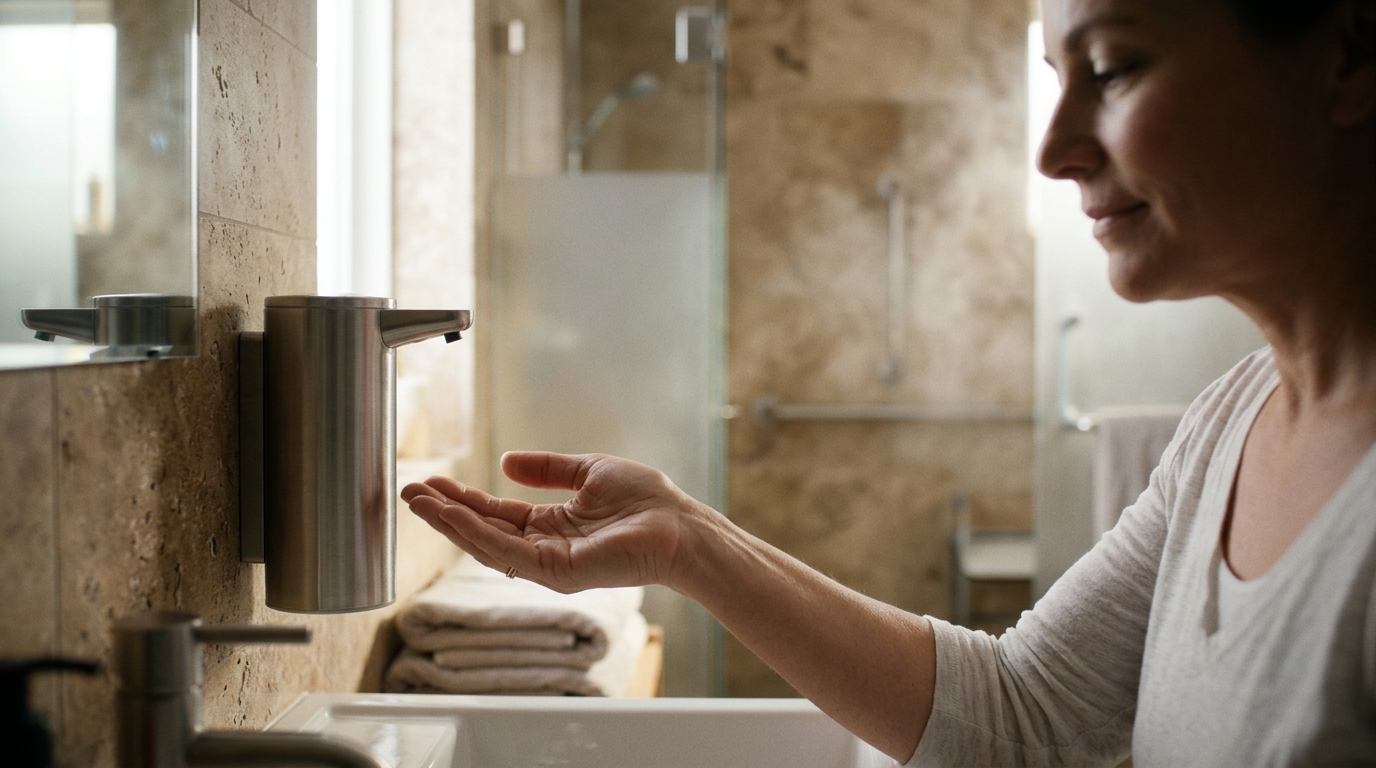
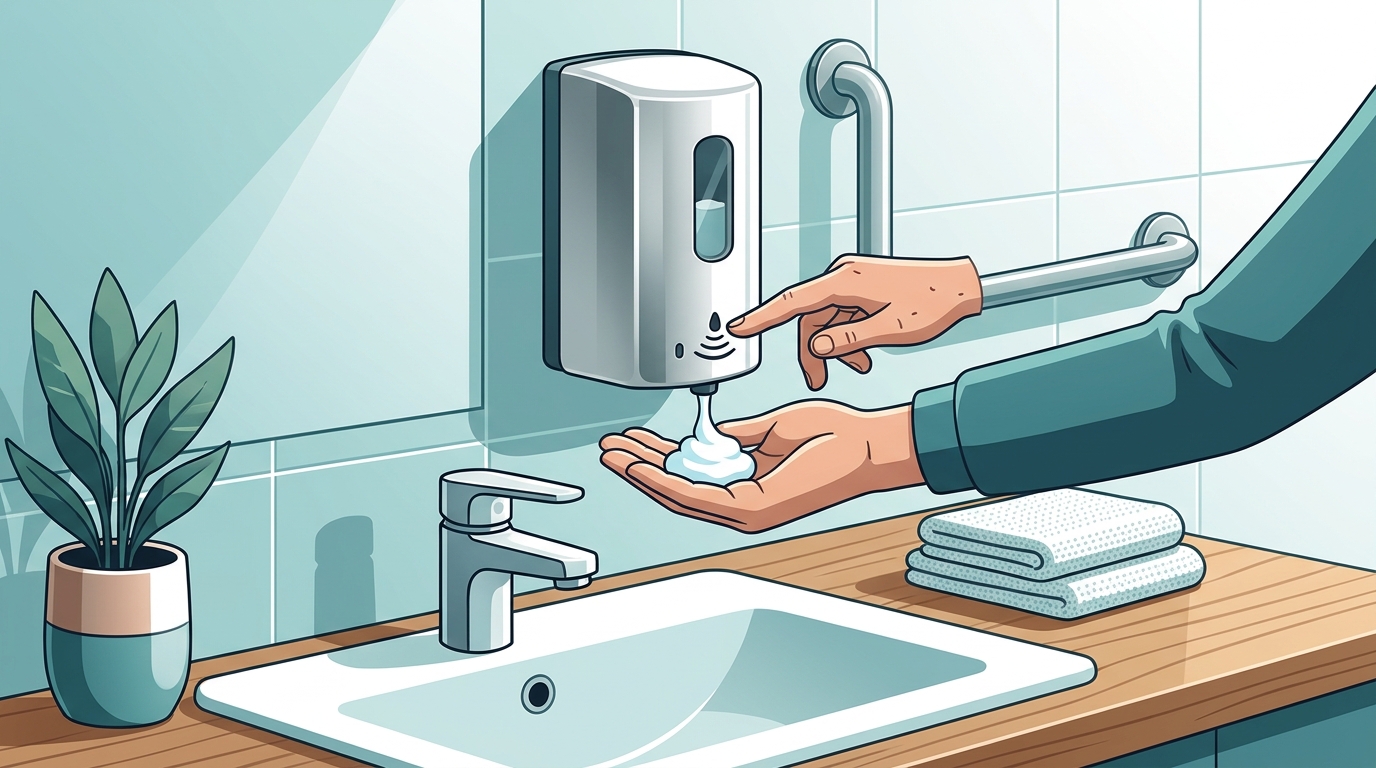
Traditional soap dispensers often require significant hand strength and fine motor control. For individuals with arthritis, limb differences, or post-stroke conditions, pressing a pump can be painful or impossible. Touchless technology is a sensor-activated delivery system that dispenses product without physical contact. This removes the mechanical barrier entirely. Users simply place their hands under the sensor, and the product is delivered automatically. This simple change transforms a potential obstacle into a seamless part of the routine.
Hygiene and Infection Control in Care Settings
In healthcare and assisted living facilities, infection control is a primary concern. Shared mechanical dispensers can harbor bacteria on their buttons and nozzles. Touchless systems minimize cross-contamination by reducing surface contact. This is particularly important in environments where residents may have compromised immune systems. The reduction in shared touchpoints supports a cleaner environment for both residents and caregivers. It also reduces the time caregivers spend cleaning dispenser surfaces, allowing them to focus on direct care.
Supporting Independence and Dignity
Accessibility is not just about safety; it is about maintaining autonomy. When a person cannot operate a standard dispenser, they may feel dependent on others for basic hygiene. This can impact self-esteem and dignity. Touchless dispensers empower users to manage their own care without assistance. This sense of control is crucial for mental well-being. It allows individuals to perform personal care tasks on their own terms, preserving their sense of identity and independence.
Integration with Modern Shower Systems
Modern accessible bathrooms are moving toward integrated systems that simplify the entire showering experience. A shower infuser system is a device that blends cleansing products directly into the water stream. While touchless dispensers are a step forward, integrated systems like the Mistu Shower Infuser take accessibility further. By infusing product into the water, these systems eliminate the need for bottles and dispensers altogether. This approach reduces clutter and the risk of slipping on wet floors. It aligns with the goal of creating a barrier-free environment where every element supports ease of use.
Key Takeaways
- Touchless dispensers reduce the physical effort required for hygiene, benefiting users with limited dexterity.
- They support infection control by minimizing shared surface contact in care settings.
- These devices promote independence by allowing users to manage their own care without assistance.
- Integrated shower systems offer an even more comprehensive solution by eliminating the need for separate dispensers.
- Designing for accessibility requires considering both physical barriers and psychological factors like dignity.
- Modern bathroom design is increasingly focused on creating seamless, barrier-free experiences for all users.
Frequently Asked Questions
Are touchless dispensers suitable for all types of soap?
Do touchless dispensers require batteries or electricity?
Yes, most touchless dispensers require a power source. This can be batteries or a hardwired electrical connection. Battery-operated units offer flexibility in placement, while hardwired units may be more reliable for high-traffic areas.
How do touchless dispensers compare to integrated shower systems?
Touchless dispensers are a standalone solution that reduces physical effort. Integrated shower systems, such as the Mistu Shower Infuser, go further by blending product into the water stream. This eliminates the need for any dispenser or bottle, offering a more comprehensive accessibility solution.
Can touchless dispensers be installed in existing bathrooms?
Yes, many touchless dispensers are designed for easy installation. They can often be mounted on walls or placed on shelves. However, it is important to ensure the installation location is accessible and meets safety standards for the specific user.
What are the maintenance requirements for touchless dispensers?
Maintenance typically involves refilling the soap reservoir and cleaning the sensor and nozzle. Regular cleaning helps prevent clogs and ensures the sensor functions correctly. Following the manufacturer's maintenance schedule is recommended for optimal performance.
Conclusion
Touchless soap dispensers are becoming a standard feature in accessible bathrooms due to their ability to reduce physical barriers and support hygiene. They offer a practical solution for individuals with limited mobility or dexterity, promoting independence and dignity. For those seeking a more comprehensive approach, integrated systems like the Mistu Shower System provide an even more seamless experience. By eliminating the need for bottles and dispensers, these systems create a truly barrier-free environment. To explore how these solutions can transform your bathroom, visit the Mistu Shower Infuser website.