

What Features Should I Look for in a Hands-Free Shower Soap System?
When selecting a hands-free shower soap system, prioritize motion sensor technology, adjustable dispensing volume, and secure mounting. These three features determine whether the device actually removes physical barriers or simply adds complexity. This guide explains how each feature works, why it matters for users with limited mobility, and how to evaluate options like the Mistu Shower Infuser against your specific needs.
Motion Sensor Technology
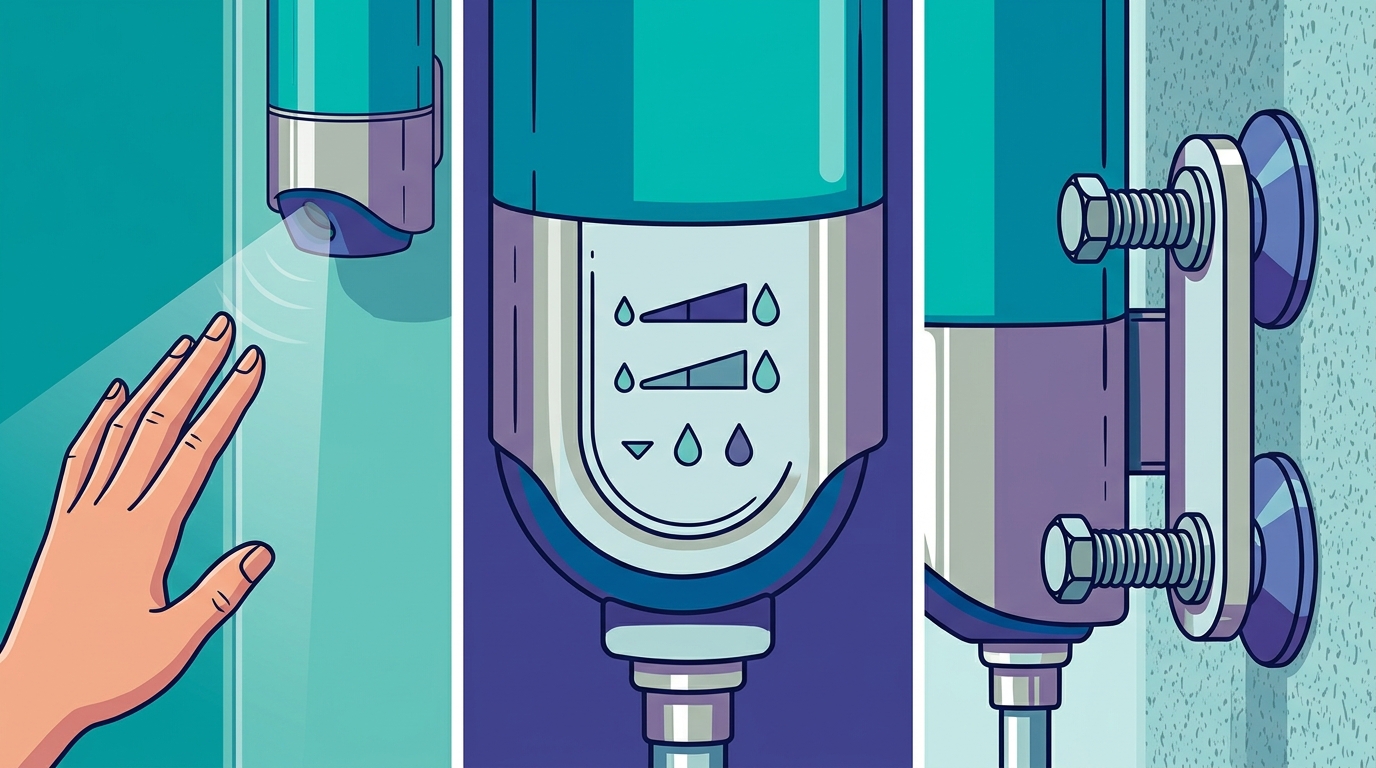
Motion sensor technology is a detection mechanism that triggers product dispensing when it senses movement within a specific range. In the context of accessible showering, this feature eliminates the need for users to press buttons, twist dials, or squeeze pumps. For individuals with limited grip strength, tremors, or limb differences, manual controls can be the primary barrier to independent showering.
Why Manual Controls Fail
Traditional shower bottles require a sequence of actions: locate the bottle, open the cap, squeeze the product, and close the cap. Each step demands fine motor skills and bilateral coordination. Users with conditions such as arthritis, stroke recovery, or bilateral amputations often cannot complete this sequence safely or independently. A hands-free system must remove these steps entirely.
Evaluating Sensor Reliability
Not all motion sensors are created equal. When evaluating a system, look for the following specifications:
- Detection Range: The sensor should activate when the user is within a comfortable reach, typically 15 to 30 centimeters from the unit. Too narrow a range requires precise positioning; too wide a range may trigger accidental dispensing.
- Response Time: The delay between motion detection and product flow should be under two seconds. Longer delays disrupt the showering rhythm and cause frustration.
- False Trigger Prevention: The system should distinguish between the user’s body and water splashes or steam. Poorly calibrated sensors may dispense product when the user is not ready, wasting product and creating a slippery surface.
Adjustable Dispensing Volume
Adjustable dispensing volume is the ability to control the concentration or amount of product released per shower. This feature is critical because different users have different needs. A person with sensitive skin may require a light, diluted wash, while someone with dry skin may need a richer, more concentrated application. Without adjustability, users are forced to accept a one-size-fits-all dose, which can lead to product waste, skin irritation, or insufficient cleansing.
Why Fixed Dosing Is Problematic
Many basic shower attachments release a fixed amount of product per activation. This approach fails to account for variations in shower duration, water pressure, and individual skin needs. If the dose is too high, the product may not rinse away cleanly, leaving a residue that can irritate sensitive skin. If the dose is too low, the user may need to activate the system multiple times, defeating the purpose of a hands-free design.
What to Look For in Volume Control
When assessing a hands-free system, evaluate the following volume control features:
- Dilution Control: The system should allow users to adjust the ratio of product to water. A valve or dial that changes the dilution level gives users control over the intensity of the wash.
- Chamber Capacity: The product chamber should hold enough product for multiple showers to reduce the frequency of refills. Frequent refills can be difficult for users with limited mobility.
- Visibility: A transparent chamber allows users to see when the product is running low. This prevents the frustration of running out of product mid-shower.
The Mistu Shower Infuser includes a blue valve at the top of the unit that allows users to adjust the level of dilution. This feature gives users complete control over how much or how little product they want in their shower stream. The transparent chamber also makes it easy to monitor product levels. This level of adjustability is a significant advantage over fixed-dose systems, as it accommodates a wider range of user preferences and skin types.
Mounting Security
Mounting security is the stability and safety of the device’s attachment to the shower wall or fixture. A hands-free system is only as effective as its mounting. If the unit shifts, leaks, or detaches during use, it can create a slip hazard or render the system unusable. For users with limited mobility, a falling or shifting device can be particularly dangerous, as they may not be able to react quickly to a change in the shower environment.
Common Mounting Failures
Many shower accessories fail due to poor mounting design. Common issues include:
- Loose Connections: Hand-tightened connections may loosen over time due to water pressure and vibration. This can lead to leaks or the unit detaching.
- Inadequate Wall Anchoring: Suction cups or adhesive strips may not provide sufficient hold in wet, soapy environments. The unit may slide down the wall during use.
- Weight Distribution: If the unit is not balanced correctly, it may tilt or pull away from the wall, causing stress on the mounting points.
Evaluating Mounting Options
When choosing a hands-free system, look for the following mounting features:
- Multiple Mounting Methods: The best systems offer both adhesive and drilling options. Adhesive mounting is convenient for renters or those who do not want to drill, while drilling provides a more permanent and secure attachment.
- Warranty Coverage: A reliable manufacturer will back their mounting system with a warranty. This indicates confidence in the product’s durability and safety.
- Installation Simplicity: The installation process should be straightforward and require minimal tools. Complex installations increase the risk of errors that can compromise security.
Feature Comparison Table
The following table compares key features of hands-free shower soap systems. This comparison helps you evaluate different options based on your specific needs.
| Feature | Motion Sensor Systems | Manual Dial Systems (e.g., Mistu) | Fixed-Dose Systems |
|---|---|---|---|
| Activation Method | Automatic via motion detection | User-operated dial or valve | Fixed per activation |
| Volume Control | Often limited or fixed | Adjustable dilution and flow | None |
| Mounting Security | Varies; often adhesive only | Adhesive or drilling options | Varies; often suction cup |
| User Control | Low; system decides when to dispense | High; user decides when and how much | None |
| Best For | Users who cannot operate any controls | Users who want control and adjustability | Users with simple, consistent needs |
Key Takeaways
- Motion sensor technology eliminates the need for manual controls, making it essential for users with severe mobility limitations.
- Adjustable dispensing volume allows users to customize the product concentration, accommodating different skin types and preferences.
- Mounting security is critical for safety; look for systems with multiple mounting options and warranty coverage.
- Manual dial systems, like the Mistu Shower Infuser, offer high user control and adjustability, which may be preferable for users who can operate simple controls.
- Fixed-dose systems are the least flexible and may not suit users with varying needs or sensitive skin.
- Always verify the detection range and response time of motion sensors to ensure they work reliably in humid environments.
- Check the chamber capacity and visibility to minimize the frequency of refills and prevent running out of product mid-shower.
- Consider the installation complexity and mounting options to ensure the system fits your bathroom setup and security requirements.
Frequently Asked Questions
What is the difference between a motion sensor system and a manual dial system?
A motion sensor system activates automatically when it detects movement, while a manual dial system requires the user to turn a dial or valve to release product. Motion sensors are better for users who cannot operate any controls, while manual dials offer more control for users who can perform simple movements.
Can I adjust the amount of product in a hands-free system?
It depends on the system. Some systems have fixed doses, while others, like the Mistu Shower Infuser, include a valve to adjust the dilution level. Look for systems with adjustable volume control to accommodate your specific needs.
How secure is the mounting of a hands-free shower system?
Mounting security varies by product. Look for systems that offer multiple mounting options, such as adhesive strips and drilling templates. A one-year warranty, like the one provided by Mistu, indicates confidence in the mounting system’s durability.
Do hands-free systems work with all shower types?
Most hands-free systems are compatible with standard showers, but some may not work with ceiling-mounted or waterfall shower heads. Always check the manufacturer’s compatibility list before purchasing.
Is a hands-free system a medical device?
No, a hands-free shower system is not a medical device. It is an accessibility aid designed to make showering easier and more independent. It does not treat, cure, or prevent any medical conditions.
How do I maintain a hands-free shower system?
Maintenance typically involves rinsing the chamber with warm water when changing products and wiping the unit to keep it clean. Avoid using strong or corrosive chemicals in the chamber. Refer to the manufacturer’s instructions for specific maintenance guidelines.
Conclusion
Choosing the right hands-free shower soap system requires careful consideration of motion sensor technology, adjustable dispensing volume, and mounting security. Each feature plays a critical role in determining whether the system will truly enhance your independence and safety. The Mistu Shower Infuser offers a balanced approach with adjustable dilution, secure mounting options, and a simple control dial, making it a strong choice for many users. To explore how Mistu can fit your specific needs, for personalized guidance.