
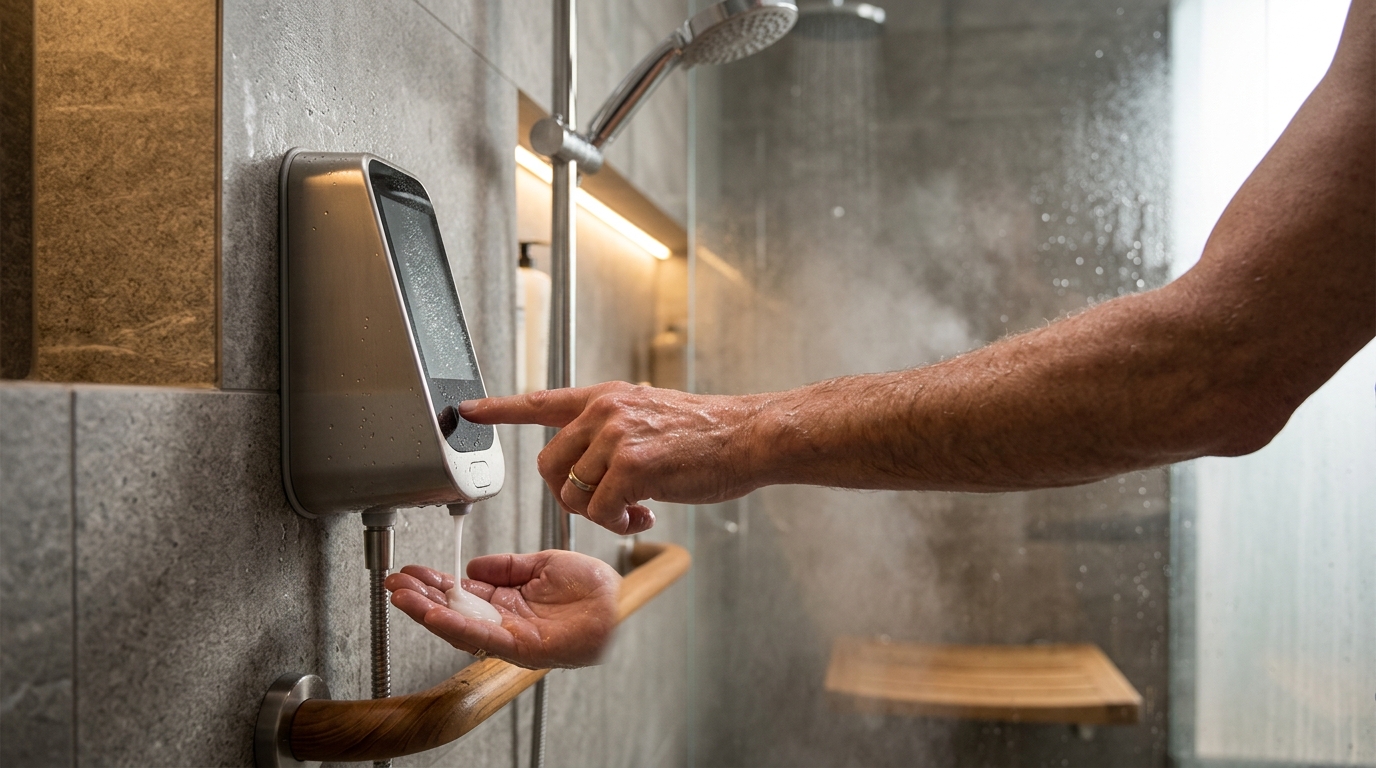
Adaptive Soap Dispensing Systems for Accessible Showering
Adaptive soap dispensing systems have become a critical component in modern accessible bathroom design, transforming standard hygiene routines into independent, safe experiences for individuals with limited mobility or dexterity. According to the Centers for Disease Control and Prevention, over 61 million adults in the United States have some form of disability, highlighting the urgent need for specialized bathroom solutions that promote autonomy and dignity. These systems utilize advanced sensor technology, ergonomic design, and automated mechanisms to eliminate the physical strain associated with traditional soap bottles and pumps. By integrating seamlessly into wet environments, they provide reliable, hands-free or low-effort operation that reduces the risk of slips and falls while ensuring consistent hygiene standards.
Understanding Sensor Technology in Adaptive Dispensers
The core differentiator among adaptive soap dispensing systems is the type of sensor technology employed. Infrared proximity sensors are the most common, detecting the presence of a hand within a specific range to trigger dispensing. This technology is essential for users who cannot perform the grasping and squeezing motions required by manual pumps. Infrared proximity sensors are defined as electronic devices that emit infrared light to detect objects within their field of view, triggering a mechanical response upon detection.
Some advanced models utilize capacitive sensors, which detect the electrical properties of the human body. This method can be more reliable in wet conditions where water droplets might interfere with infrared beams. However, infrared sensors generally offer a wider detection range, allowing users to position their hands more flexibly. When evaluating these systems, it is crucial to consider the sensitivity adjustment features. Adjustable sensitivity ensures that the dispenser does not activate accidentally due to steam or passing objects, while still responding reliably to users with limited reach.
For individuals with severe motor impairments, voice-activated or switch-compatible dispensers offer an alternative. These systems integrate with smart home ecosystems or external assistive switches, allowing operation through minimal physical effort. The integration of such technology represents a significant leap in assistive device engineering, moving beyond simple automation to true accessibility. According to recent data from the National Institute on Disability, Independent Living, and Rehabilitation Research, the adoption of smart home assistive technologies has grown by approximately 15% annually among seniors, driven by the desire to age in place safely.
Power Sources and Battery Life Considerations
Reliability is paramount in accessible bathroom fixtures. Adaptive soap dispensing systems typically operate on battery power, with options ranging from standard AA batteries to rechargeable lithium-ion packs. The choice of power source impacts both maintenance frequency and long-term cost. Systems using standard alkaline batteries are easier to replace in emergency situations but may require more frequent changes. Conversely, rechargeable models offer a more sustainable solution but require access to charging ports, which must be located outside the wet zone for safety.
Battery life varies significantly based on usage frequency and sensor sensitivity. High-traffic bathrooms may deplete batteries faster, necessitating models with low-power consumption modes. Low-power consumption modes are defined as software or hardware states that reduce energy usage by disabling non-essential functions when the device is idle. Look for dispensers with indicator lights or app notifications that alert users when battery levels are low. This proactive maintenance prevents the frustration of a dead dispenser during a critical hygiene routine.
Some premium models offer solar charging capabilities or kinetic energy harvesting, though these are less common in indoor bathroom settings due to limited light exposure or movement. For most residential applications, a battery life of six to twelve months is considered industry standard. When selecting a system, consider the ease of battery replacement. Models with front-access battery compartments are preferable for users who may have difficulty reaching behind wall-mounted units.
Material Durability and Wet Environment Safety
Exposure to constant moisture, steam, and cleaning chemicals demands robust materials in adaptive soap dispensing systems. Stainless steel and high-grade ABS plastic are the most common materials used in construction. Stainless steel offers superior durability and resistance to corrosion, making it ideal for commercial or high-humidity environments. However, it can be more expensive and may show water spots more readily. ABS plastic is lightweight, cost-effective, and resistant to rust, but may be less durable over time under heavy use.
Waterproof ratings are a critical specification to verify. The Ingress Protection (IP) rating system classifies the degree of protection provided by enclosures against the intrusion of foreign bodies, including water. For bathroom applications, an IP65 rating or higher is recommended. IP65 rating is defined as a standard indicating that a device is dust-tight and protected against low-pressure water jets from any direction. This ensures that steam and splashes do not penetrate the internal electronics, preventing short circuits and malfunction.
Additionally, consider the nozzle design. Anti-drip nozzles are essential to prevent soap residue from accumulating on the exterior, which can create slippery surfaces and attract mold. Some systems feature self-cleaning cycles or antimicrobial coatings to maintain hygiene. These features are particularly important for users with compromised immune systems or those who rely on the dispenser for frequent use throughout the day.
Installation and Mounting Options
Proper installation is key to the functionality and safety of adaptive soap dispensing systems. Most units offer multiple mounting options, including wall-mounted, countertop, and corner shelf configurations. Wall-mounted units save counter space and are easier to clean around, but require precise drilling and anchoring into studs or using heavy-duty anchors for tile surfaces. Countertop models offer flexibility in placement but may take up valuable space in smaller bathrooms.
For retrofitting existing bathrooms, consider the electrical requirements. Battery-operated models are the easiest to install, requiring no wiring. Hardwired models, while less common for soap dispensers, may be integrated into existing bathroom circuits for a cleaner aesthetic. Always ensure that any electrical components are located outside the splash zone, typically at least three feet from the shower or bathtub edge. According to the National Electrical Code, bathrooms are classified as wet locations, requiring specific grounding and protection measures for all electrical installations.
Adjustable mounting brackets allow for customization of height and angle, ensuring optimal accessibility for users in wheelchairs or with limited reach. The ideal height for a soap dispenser is typically between 38 and 48 inches from the floor, depending on the user's seated or standing reach. Professional installation is recommended for wall-mounted units to ensure secure attachment and proper sealing against moisture intrusion.
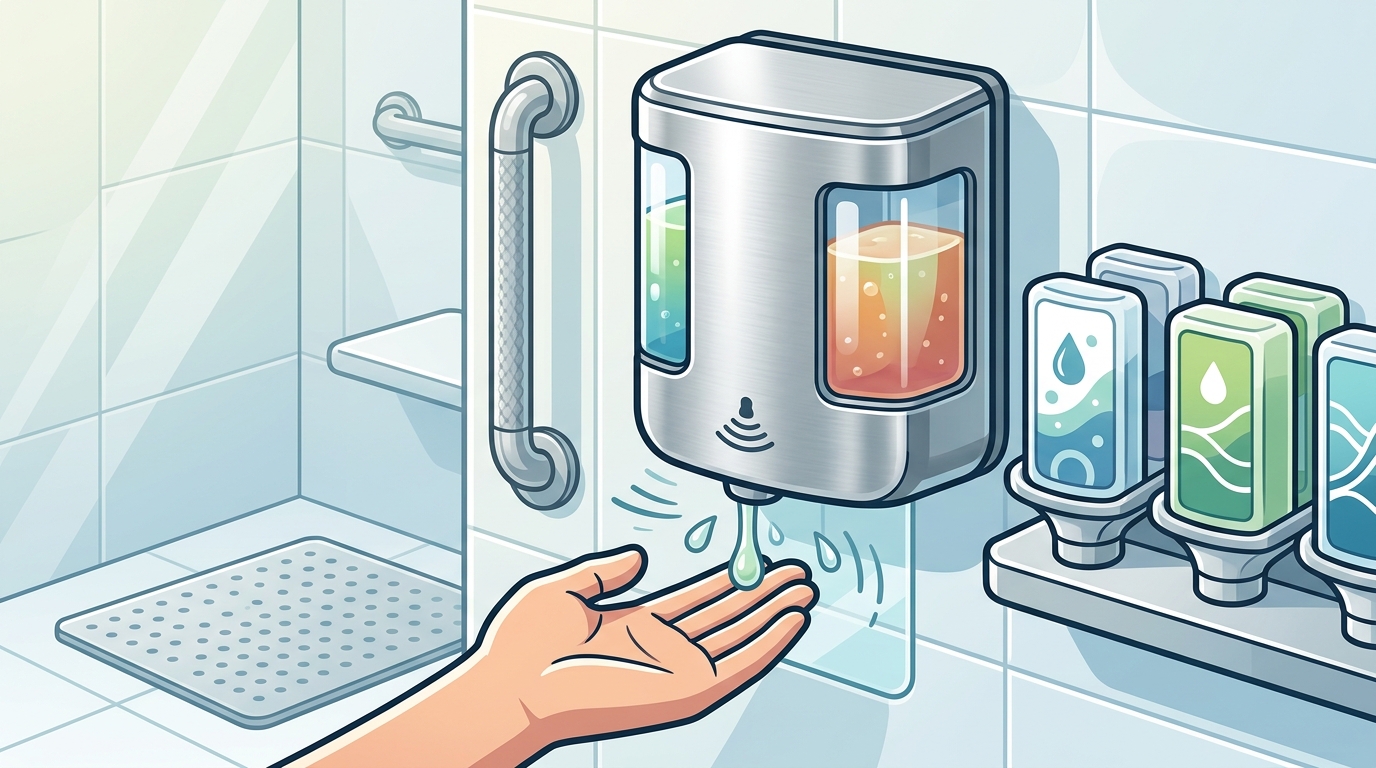
Comparative Analysis of Top Systems
To assist in your decision-making process, the following table compares key features of leading adaptive soap dispensing systems available in the market. This analysis focuses on sensor type, power source, material, and accessibility features.
| System Type | Sensor Technology | Power Source | Material | Accessibility Feature |
|---|---|---|---|---|
| Sensor Dispenser Pro | Infrared Proximity | 4x AA Batteries | Stainless Steel | Adjustable Sensitivity |
| Ergo Touch-Less | Capacitive | Rechargeable Li-ion | ABS Plastic | Voice Activation Compatible |
| Wall-Mount Automated | Infrared Proximity | Hardwired 12V | Chrome Plated | Anti-Drip Nozzle |
| Corner Shelf Dispenser | Manual Pump Assist | Battery Backup | Bamboo Composite | Low-Force Activation |
Key Takeaways for Buyers
- Sensor Type Matters: Infrared sensors offer wider range, while capacitive sensors perform better in wet conditions.
- Battery Life Expectancy: Standard models last 6-12 months; rechargeable models offer sustainability but require charging access.
- Waterproof Ratings: Always verify IP65 or higher ratings to ensure protection against steam and splashes.
- Mounting Flexibility: Wall-mounted units save space; countertop units offer easier installation and adjustment.
- Material Durability: Stainless steel resists corrosion better than ABS plastic in high-humidity environments.
- Accessibility Height: Ideal mounting height is 38-48 inches from the floor for optimal reach.
- Professional Installation: Recommended for wall-mounted units to ensure secure anchoring and moisture sealing.
Frequently Asked Questions
How do I clean an adaptive soap dispenser?
Clean the exterior with a soft, damp cloth and mild soap. Avoid abrasive cleaners that can damage the sensor lens or finish. For internal cleaning, refer to the manufacturer's manual, as some models allow for nozzle removal.
Can adaptive soap dispensers be used with thick soaps?
Most standard models are designed for liquid soaps. However, some specialized dispensers offer adjustable viscosity settings or wider nozzles to accommodate thicker gels and foams. Check the product specifications for viscosity compatibility.
What is the average lifespan of a battery in an adaptive dispenser?
The average lifespan is 6 to 12 months, depending on usage frequency and battery type. High-traffic areas may require more frequent changes. Rechargeable models eliminate this issue but require regular charging.
Are adaptive soap dispensers waterproof?
Many models are rated IP65 or higher, making them resistant to water jets and steam. However, no electronic device is fully submersible. Ensure the unit is mounted outside the direct spray zone of the shower.
Can I install an adaptive soap dispenser myself?
Battery-operated countertop models can be installed by anyone. Wall-mounted units may require professional installation to ensure secure attachment and proper sealing, especially in tiled bathrooms.
Do adaptive soap dispensers work with smart home systems?
Some advanced models integrate with smart home ecosystems like Alexa or Google Home, allowing for voice control and automation. Check the product details for compatibility information.
What should I do if my dispenser stops working?
First, check the battery level and replace if necessary. Ensure the sensor lens is clean and unobstructed. If the issue persists, consult the troubleshooting guide or contact customer support for technical assistance.
Next Steps for Your Accessible Bathroom
Upgrading to an adaptive soap dispensing system is a significant step toward greater independence and safety in your daily routine. At Mistu Shower, we specialize in providing high-quality, accessible bathroom solutions tailored to your unique needs. Our team of experts can help you select the perfect system for your home, ensuring seamless integration and optimal performance. Contact us today to schedule a consultation and transform your bathroom into a sanctuary of accessibility and comfort.