
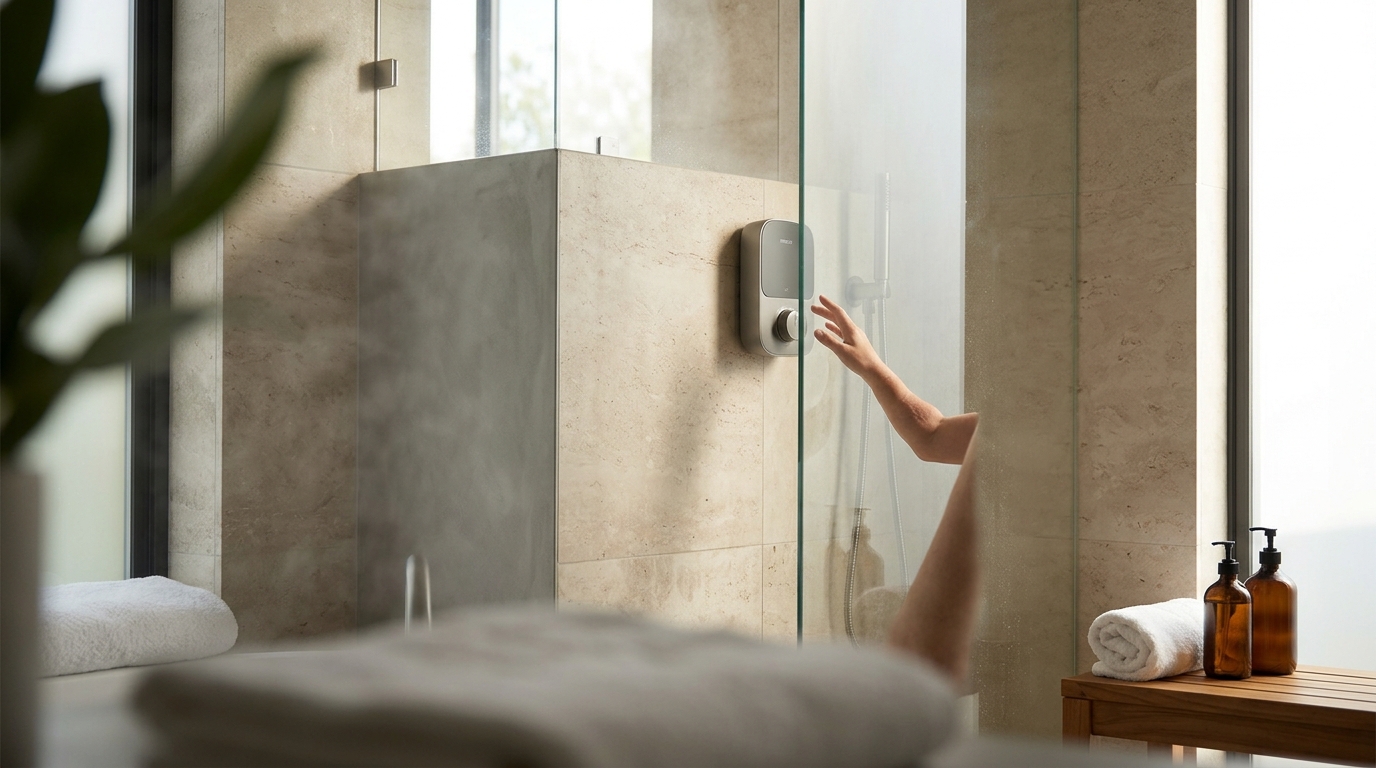
Tile, glass, and solid wall panels are the best surfaces for mounting a shower infuser system. These materials provide the structural integrity and smooth finish required for secure, long-term installation. Choosing the right surface ensures your device remains stable and safe during daily use.
Ideal Surfaces for Secure Mounting
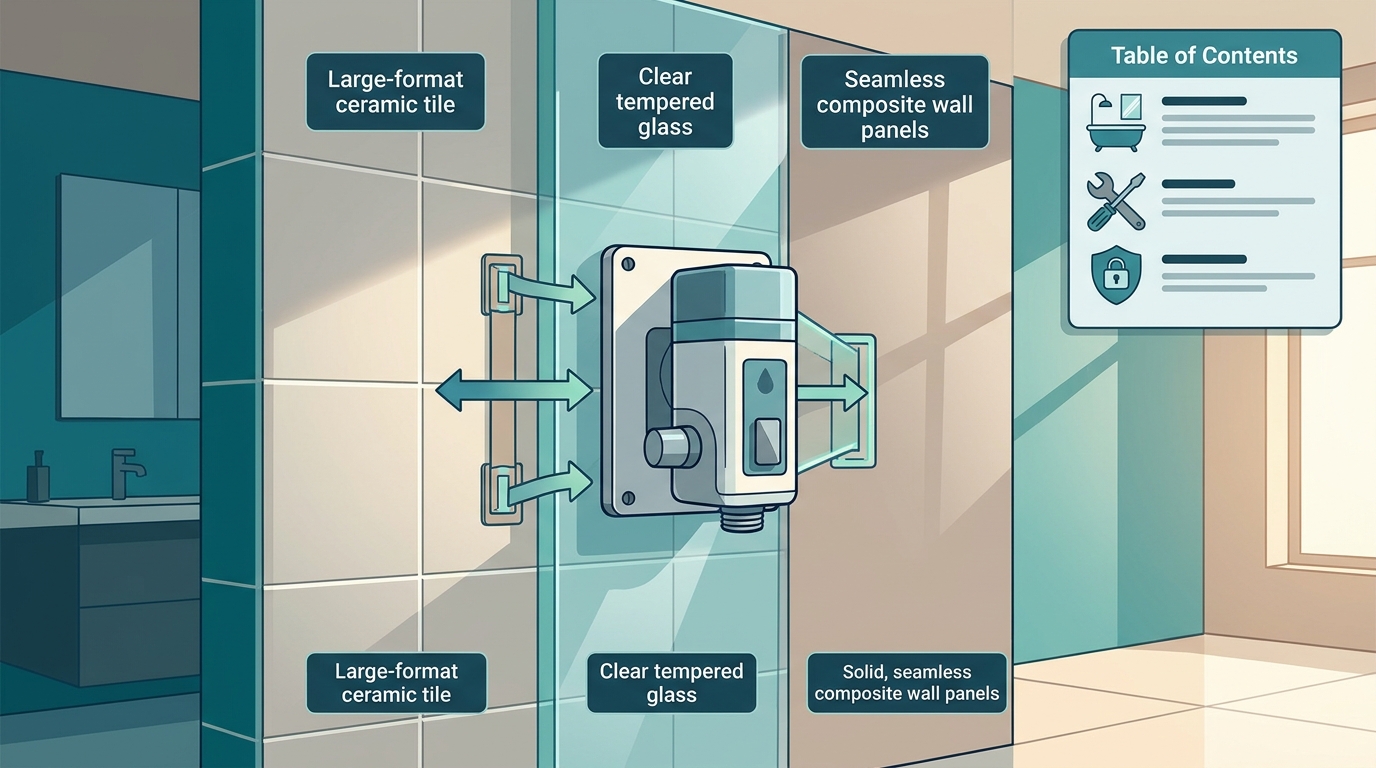
Tile is the most common and reliable surface for bathroom installations. Ceramic and porcelain tiles offer a hard, non-porous surface that supports both adhesive and mechanical mounting. When selecting a tile surface, ensure the grout lines are not the primary contact point for the mounting hardware. The Mistu Shower Infuser system is designed to attach to standard shower walls, making tile a primary candidate for most users.
Glass surfaces are another excellent option, particularly in modern wet rooms. Tempered glass provides a smooth, flat plane that is easy to clean and resistant to moisture. For glass installations, adhesive mounts are often preferred over drilling to avoid the risk of cracking the panel. Users should verify that the glass is thick enough to support the weight of the unit and the water pressure dynamics.
Solid wall panels, such as acrylic or PVC, are frequently found in prefabricated shower stalls. These materials are lightweight and easy to work with. However, they require specific adhesives that bond well with plastic substrates. The smooth finish of these panels allows for a clean, integrated look that blends with the overall bathroom aesthetic.
Challenging Surfaces and Workarounds
Painted drywall is a challenging surface for permanent mounting. Standard paint is often too slick for strong adhesion, and drywall itself may not support the weight of the unit if the backing is hollow. In these cases, using a mounting bracket that spans a stud or using high-strength anchors is essential. If the wall is hollow, a French cleat or a heavy-duty adhesive strip rated for wet environments may be necessary.
Textured or rough surfaces can interfere with the seal of adhesive mounts. If the surface is uneven, it may prevent the adhesive from making full contact, leading to a weak bond. In such situations, a small amount of spackle can be used to create a flat patch, provided it is fully cured and sealed before installation. This ensures the mount sits flush against the wall.
Older plaster walls may crumble when drilled. If you must use mechanical fasteners on plaster, use a pilot hole with a smaller bit and insert a plastic anchor. Avoid over-tightening screws, as this can cause the plaster to crack. For these surfaces, a combination of adhesive and a single central screw often provides the best balance of security and safety.
Surface Preparation and Cleaning
Proper cleaning is the most critical step in surface preparation. Dust, soap scum, and moisture are the enemies of a strong bond. Use a degreasing cleaner to remove all residues from the mounting area. Allow the surface to dry completely before applying any adhesive or hardware. A clean, dry surface ensures that the adhesive cures properly and achieves its maximum holding strength.
Surface roughness affects adhesion. For adhesive mounts, a slightly rough surface often provides a better grip than a perfectly smooth one. However, the roughness must be consistent. If the surface is too smooth, you can lightly sand the area with fine-grit sandpaper to create a mechanical key for the adhesive. This step is particularly important for glass and glossy tile surfaces.
Temperature and humidity also play a role in preparation. Adhesives perform best in moderate temperatures. If the bathroom is very cold, the adhesive may not cure correctly. Ensure the room is at a comfortable temperature before installation. This simple step can prevent future issues with the mount loosening over time.
Mounting Methods and Hardware
Adhesive mounting is the most common method for shower infuser systems. High-strength, waterproof adhesives are designed to bond with tile, glass, and plastic. These adhesives are easy to apply and do not require drilling. The Mistu Shower Infuser system includes velcro patches for a quick, tool-free installation, which is ideal for renters or those who prefer a non-permanent solution. This method is reversible and leaves no damage to the wall.
Mechanical mounting uses screws and anchors to secure the unit to the wall. This method is best for solid surfaces like tile and plaster. It provides a very secure hold that is resistant to vibration and water pressure. When using screws, ensure the anchors are rated for wet environments. Stainless steel screws are recommended to prevent rust and corrosion over time.
Hybrid mounting combines both adhesive and mechanical fasteners. This approach provides the initial grip of the adhesive and the long-term security of the screws. It is particularly useful for heavier units or in high-traffic bathrooms. The combination ensures that the unit remains stable even if the adhesive weakens slightly over time.
Safety Checks and Maintenance
Regular inspection is essential for maintaining a secure mount. Check the unit monthly for any signs of loosening or water damage. If the adhesive mount feels loose, remove it, clean the surface, and reapply the adhesive. For mechanical mounts, check the screws for tightness and replace any corroded hardware. Regular maintenance ensures the safety and longevity of your installation.
Water exposure can degrade certain materials over time. Ensure that the mounting hardware is made from corrosion-resistant materials. If you notice any rust or discoloration, replace the hardware immediately. This prevents the mount from failing and protects your wall from water damage. Proper maintenance is a small effort that yields significant safety benefits.
Key Takeaways
- Tile, glass, and solid panels are the best surfaces for mounting shower infuser systems.
- Painted drywall and textured walls require special preparation or hybrid mounting methods.
- Thorough cleaning and drying are essential for a strong adhesive bond.
- Adhesive mounts are ideal for renters and non-permanent installations.
- Mechanical mounts provide the most secure hold for solid surfaces.
- Regular inspection and maintenance ensure long-term safety and stability.
Frequently Asked Questions
Can I mount a shower infuser on a painted wall?
Yes, but it requires careful preparation. You may need to use a high-strength adhesive or a mounting bracket that spans a stud. Ensure the paint is fully cured and the surface is clean before installation.
Do I need to drill into tile to install a shower infuser?
Not necessarily. Many systems, including the Mistu Shower Infuser, use adhesive mounts that do not require drilling. However, for maximum security, a single screw can be added to the center of the mount.
What is the best adhesive for glass surfaces?
Use a high-strength, waterproof adhesive specifically designed for glass. Avoid adhesives that contain solvents that may damage the glass finish. Ensure the glass is clean and dry before application.
How long does it take for an adhesive mount to cure?
Most high-strength adhesives require 24 to 48 hours to fully cure. Avoid using the shower during this period to allow the bond to reach its maximum strength.
Can I use a shower infuser in a prefabricated shower stall?
Yes, provided the wall panels are solid and can support the weight of the unit. Use an adhesive rated for plastic or acrylic surfaces. Avoid drilling into thin panels, as they may crack.
How do I remove an adhesive mount without damaging the wall?
Use a plastic scraper or a heat gun to soften the adhesive. Gently peel the mount away from the wall. Clean any remaining adhesive with a suitable remover. This process is reversible and leaves no damage.
Conclusion
Choosing the right surface is the foundation of a successful shower infuser installation. By selecting a stable, clean surface and using the appropriate mounting method, you can enjoy a safe and convenient showering experience. The Mistu Shower Infuser system is designed to be versatile, working with a variety of surfaces and mounting options. For more information on installation and compatibility, visit the Easy Install guide or contact the manufacturer for personalized advice. Learn more: Contact Mistu Shower Infuser.